Demo site built by an AI assistant with TOWeb 15 — fictitious business, no real payment, data reset every hour. See how this site was made → · Discover TOWeb 15Site de démonstration construit par un assistant IA avec TOWeb 15 — entreprise fictive, aucun paiement réel, données remises à zéro toutes les heures. Voir comment ce site a été fait → · Découvrir TOWeb 15Demo-Website, von einem KI-Assistenten mit TOWeb 15 erstellt — fiktives Unternehmen, keine echte Zahlung, Daten werden stündlich zurückgesetzt. So entstand diese Website → · TOWeb 15 entdeckenSito dimostrativo creato da un assistente IA con TOWeb 15 — impresa fittizia, nessun pagamento reale, dati azzerati ogni ora. Guarda come è stato fatto questo sito → · Scopri TOWeb 15Sitio de demostración creado por un asistente de IA con TOWeb 15 — empresa ficticia, ningún pago real, datos restablecidos cada hora. Ver cómo se hizo este sitio → · Descubrir TOWeb 15
Skip to content

Free shipping in Italy from €150, and free repairs for life on every piece

How we work

Eighteen hours, one bag

Tanning, cutting, saddle stitching, edges: four slow steps, no machine seams, and the same two pairs of hands from start to finish.
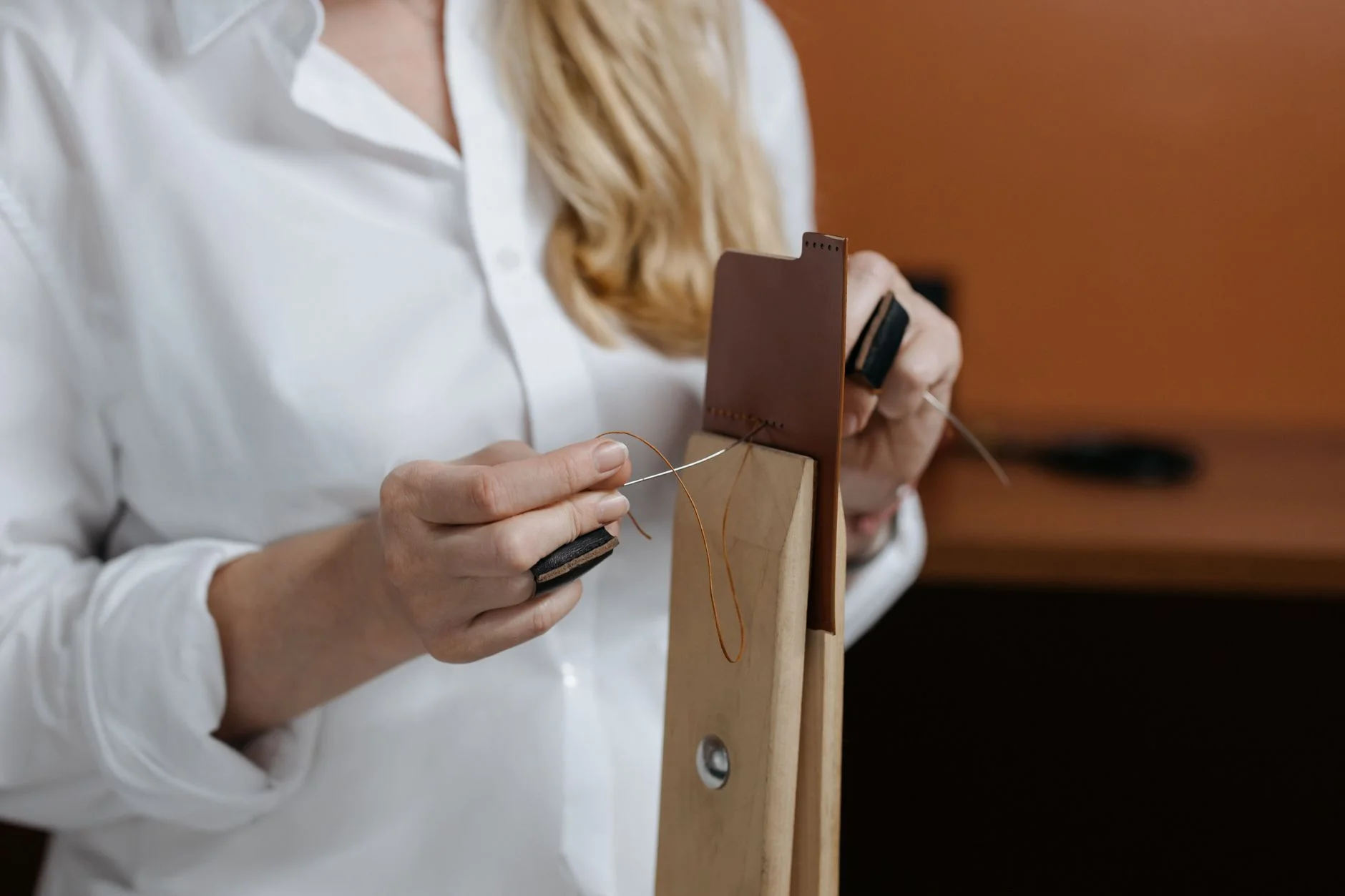
Hands pulling waxed thread through a leather strap held in a stitching clam

From hide to seam

Four steps, no shortcuts
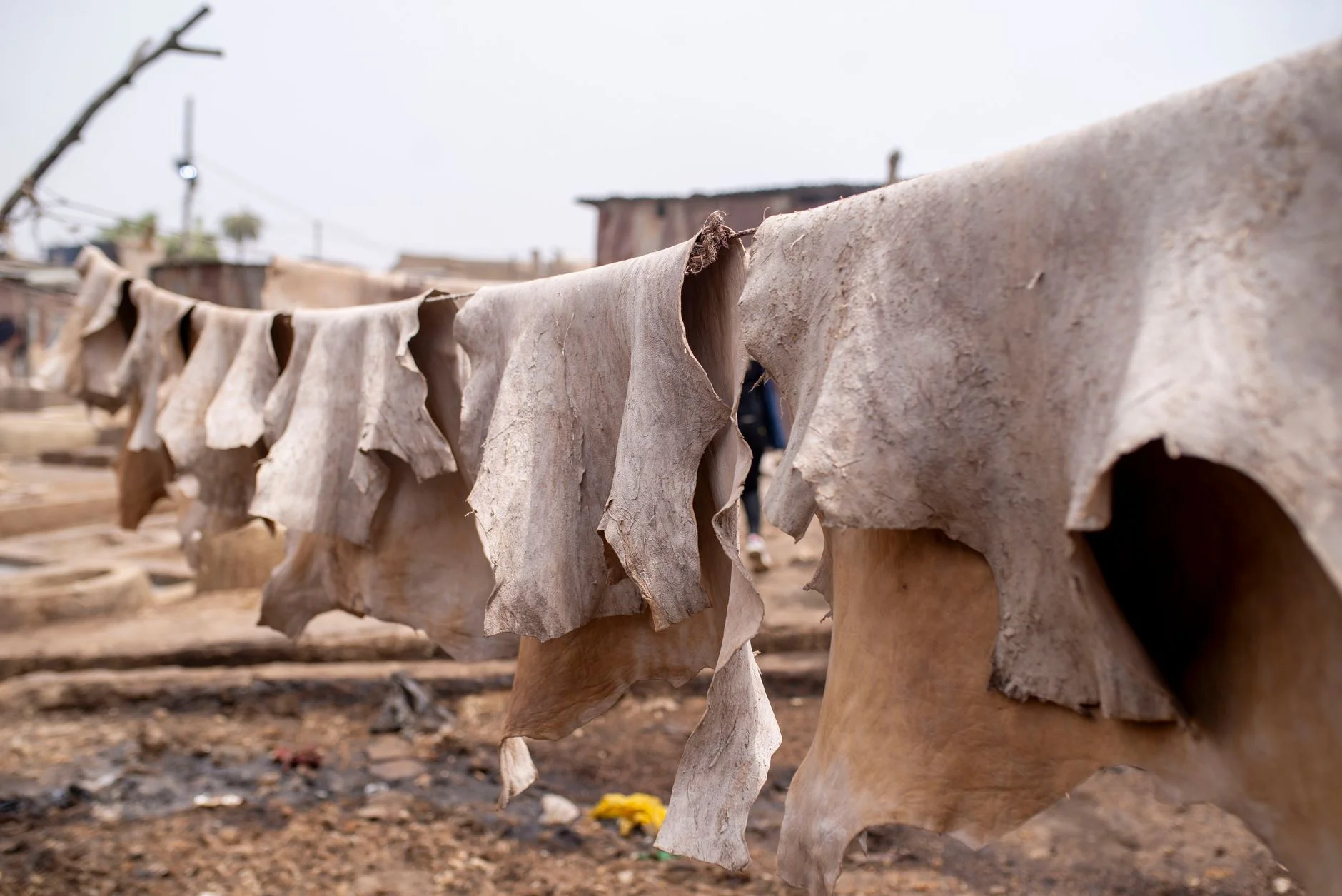
Hides drying in the open air at a tannery

01 · Tanning

Forty days in bark

Our hides come from a family tannery in Santa Croce sull'Arno, where they rest for weeks in chestnut, oak and mimosa tannins. No chromium, no plastic finish.
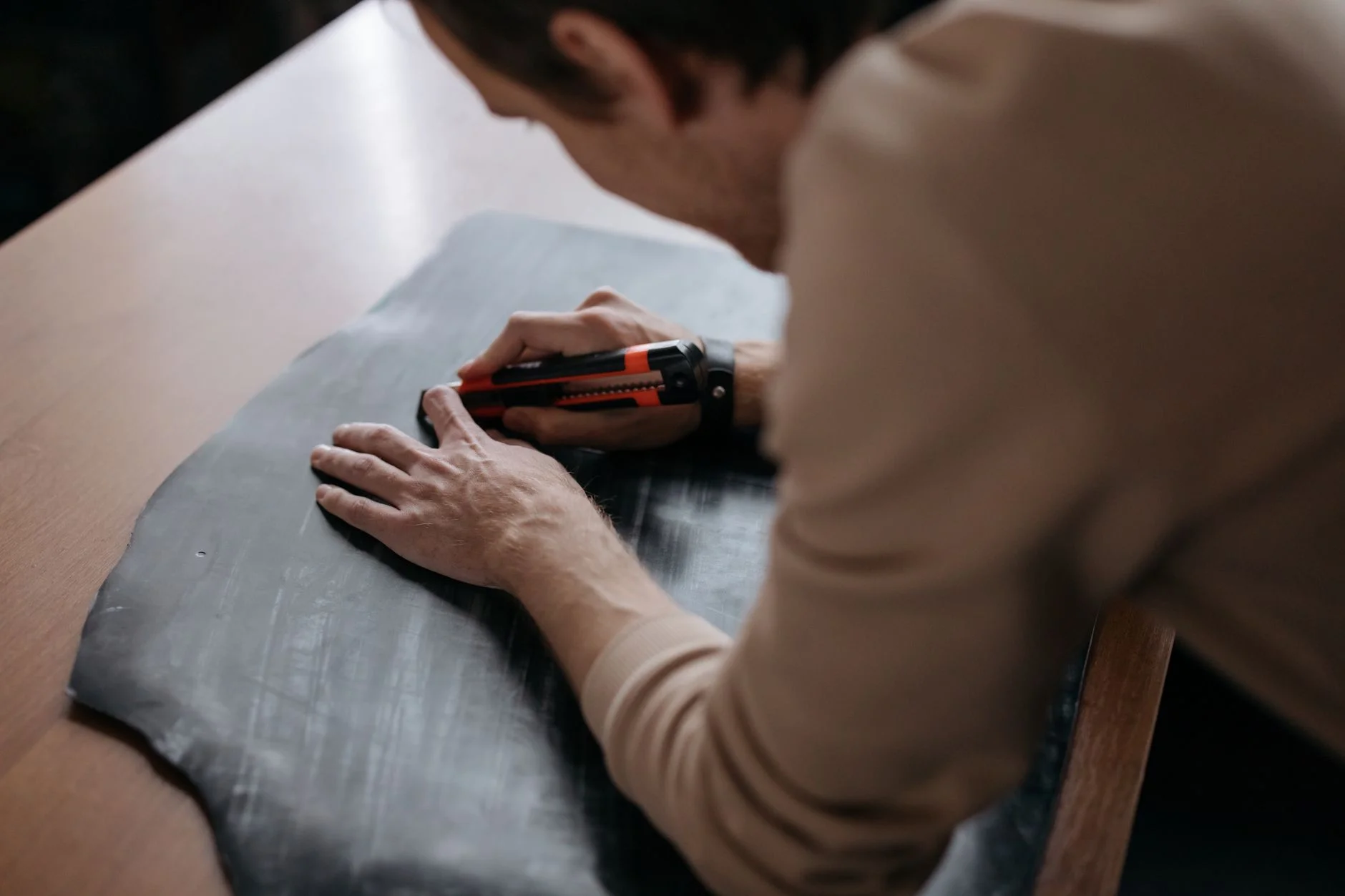
Cutting a hide on the workbench with a knife

02 · Cutting

Read the hide, then cut

Every hide is different. We cut handles and straps along the spine, where the leather is strongest, and keep the softer belly for linings and card holders.
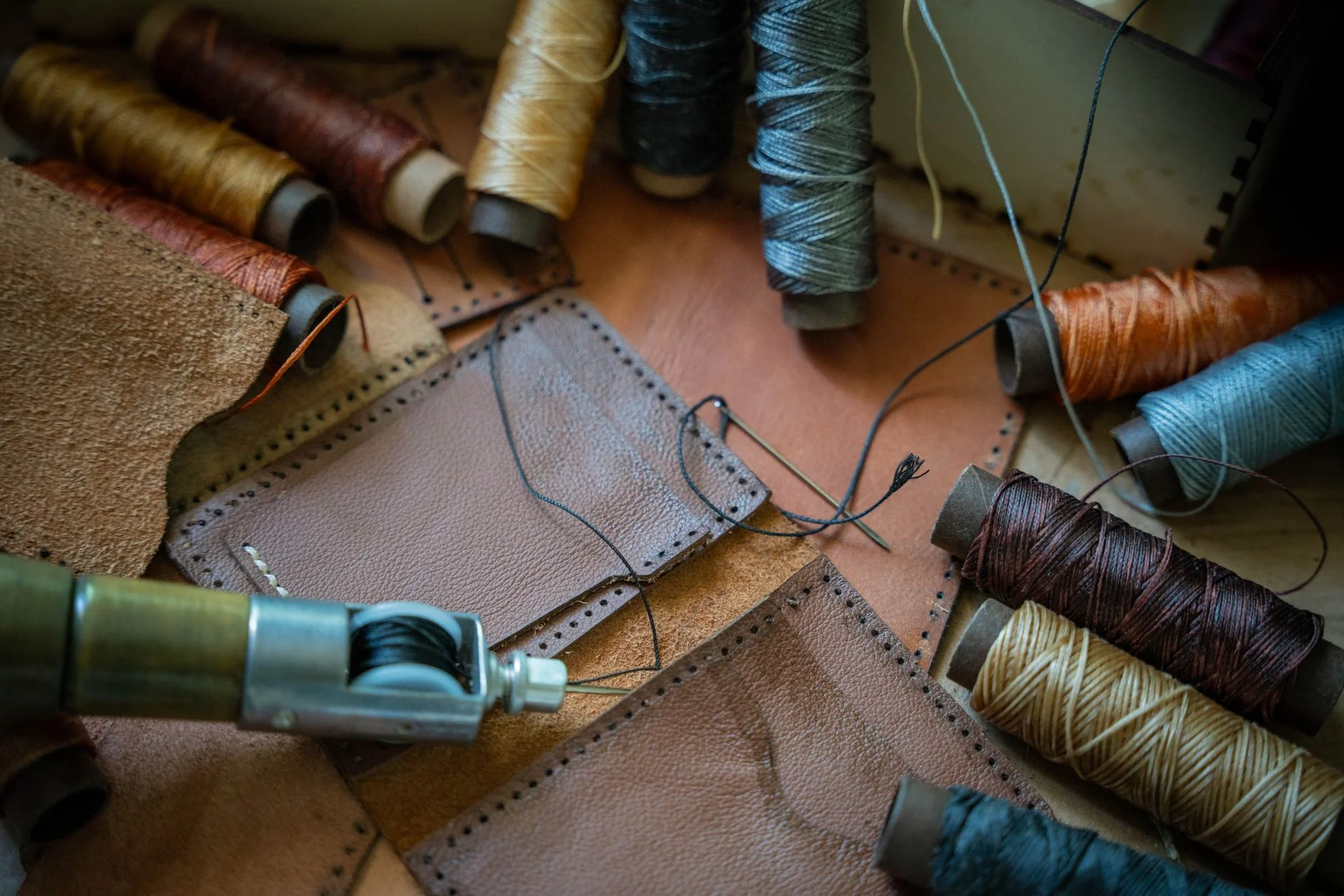
Spools of waxed linen thread over cut leather pieces

03 · Saddle stitching

Two needles, one thread

Holes are marked with a pricking iron, then sewn with waxed linen thread passing both ways through each hole. Seven stitches to the inch, about 1,400 on a tote.
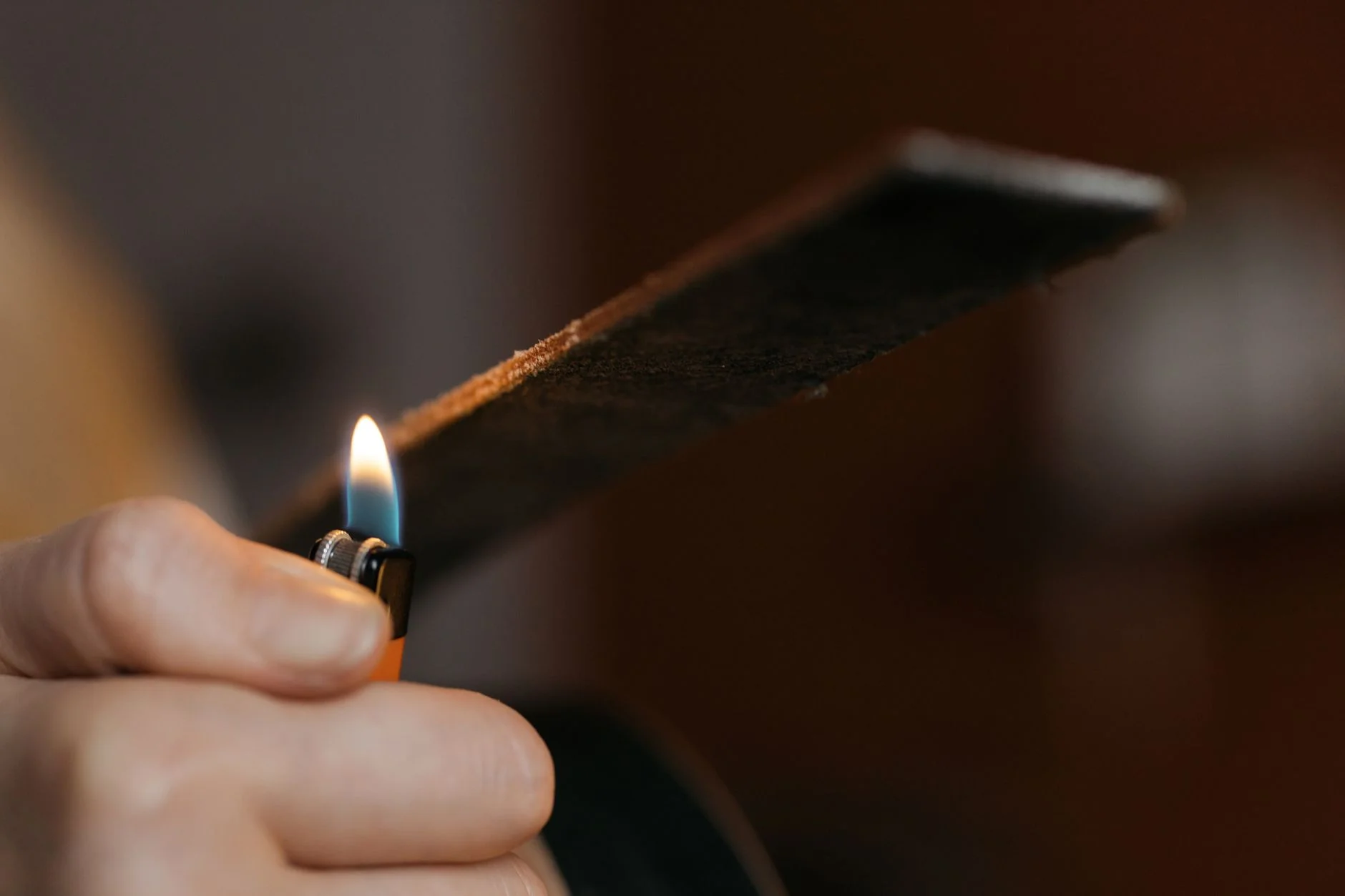
Finishing a leather edge with a small flame at the bench

04 · Edges

Burnished until they shine

Each edge is bevelled, sanded, dyed and rubbed with beeswax and a wooden slicker. It is the slowest step, and the one you feel every time you pick the bag up.

Hides drying in the open air at a tanneryCutting a hide on the workbench with a knifeSpools of waxed linen thread over cut leather piecesFinishing a leather edge with a small flame at the bench
40
days in the tanning pits
1400
hand stitches in an Arno tote
18 h
hours of work per bag
2
people, one bench

What goes into a piece

The materials

Nothing synthetic, nothing glued where it can be sewn.
LeatherFull-grain, vegetable-tanned calf and shoulder Santa Croce sull'Arno, Tuscany
Thickness2.2 mm for bags, 1.2 mm for wallets, 3.8 mm for belts
ThreadWaxed Irish linen, 0.55 mm
HardwareSolid brass buckles and rivets, set by hand
EdgesWater-based dye, beeswax, burnished
SignatureDate and maker's initials, stamped inside
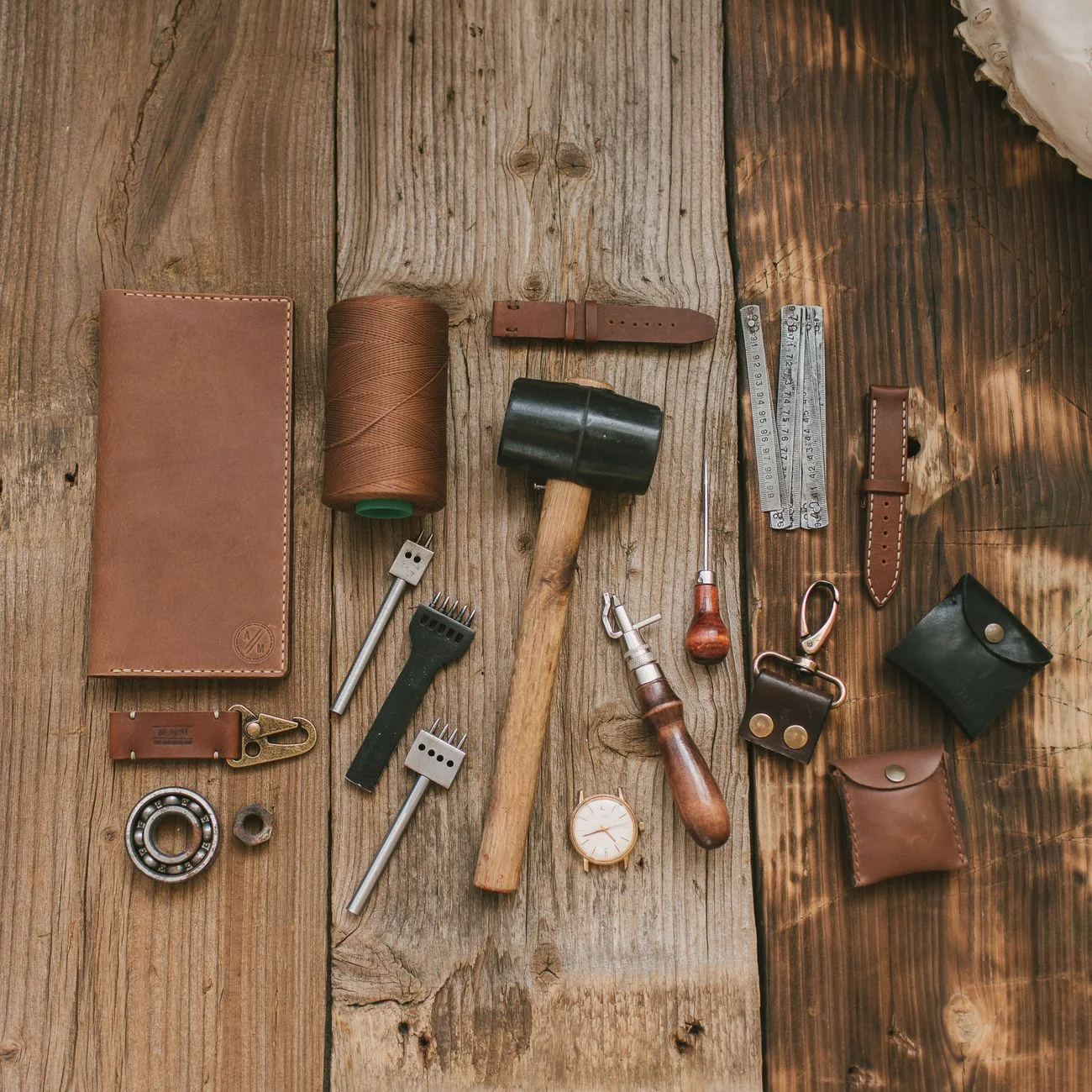
Leatherworking tools on old wood: mallet, awls, edge tools and a finished wallet

Every piece is signed inside, with the date and the initials of the hands that sewed it.

See what came off the bench

Small batches, two or three colours each. When a colour sells out, we cut a new hide.

Your legal guarantee rights

Your legal guarantee rights

europa.eu/youreurope/citizens/consumers/shopping/guarantees/index_en.htm