The wood that sings
Handmade violins, violas and cellos, restored and set up at the bench for 25 years, in the town where violins have been made for four centuries.
A violin is not made: you listen to it being born.
Three hundred hours of gouge, plane and varnish, and a single question that comes back every day at the bench: does this wood sound true?
From the log to the first stroke of the bow
Four seasons for a violin
Every instrument follows the same path, with no shortcut. Scroll down: this is how it finds its voice.
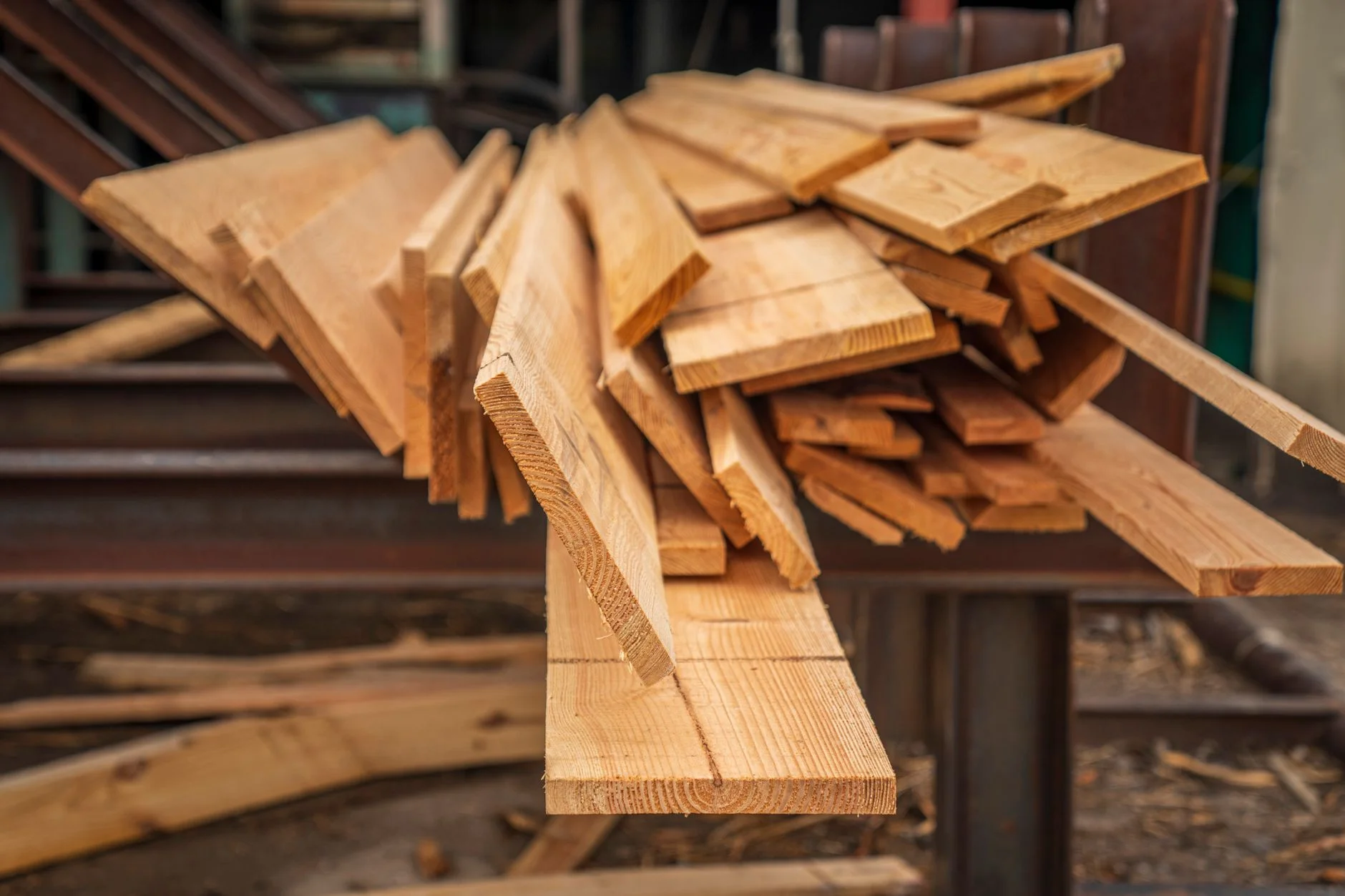
The wood
Choosing and waiting
Vosges spruce for the top, flamed maple for the back: pieces split by hand and seasoned ten years in the attic before being touched.
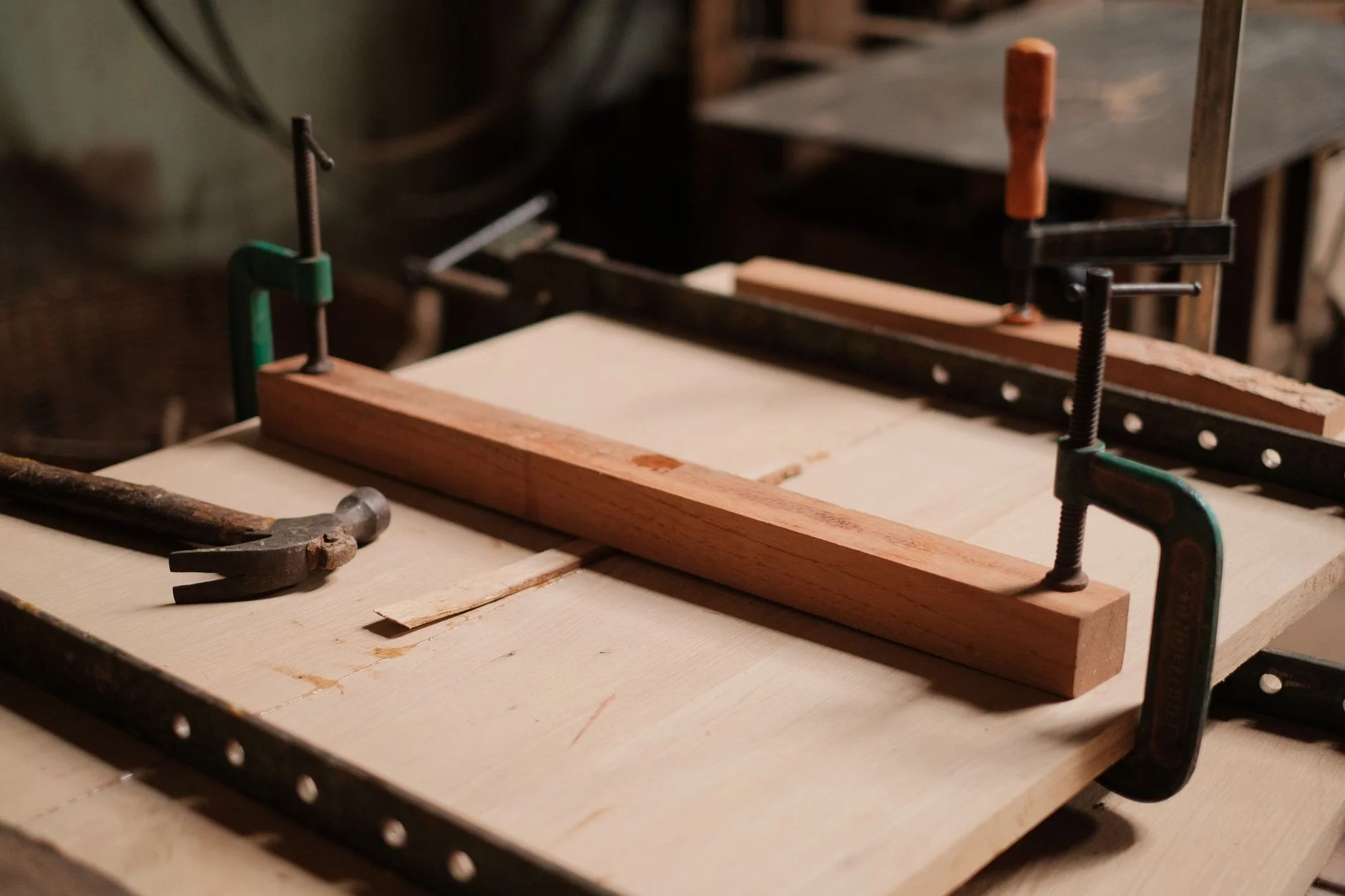
The body
Carving the arching
The ribs are bent on the mould, then the top and back are hollowed with the gouge, to a tenth of a millimetre, tapping the wood to listen to it.
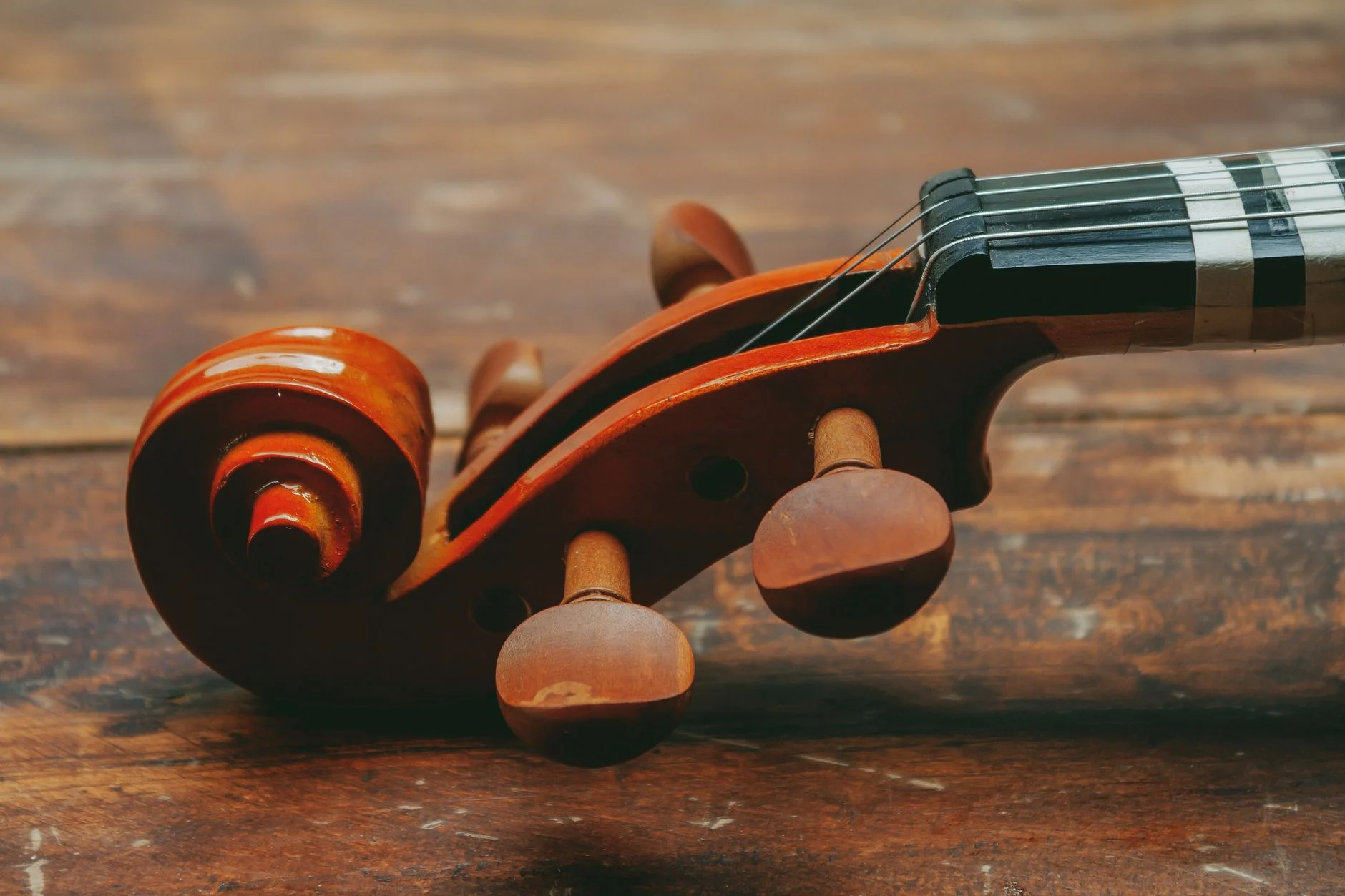
The varnish
Twelve coats of amber
An oil varnish cooked in the workshop, brushed on coat after coat and dried in daylight. It protects the wood without muffling the sound.
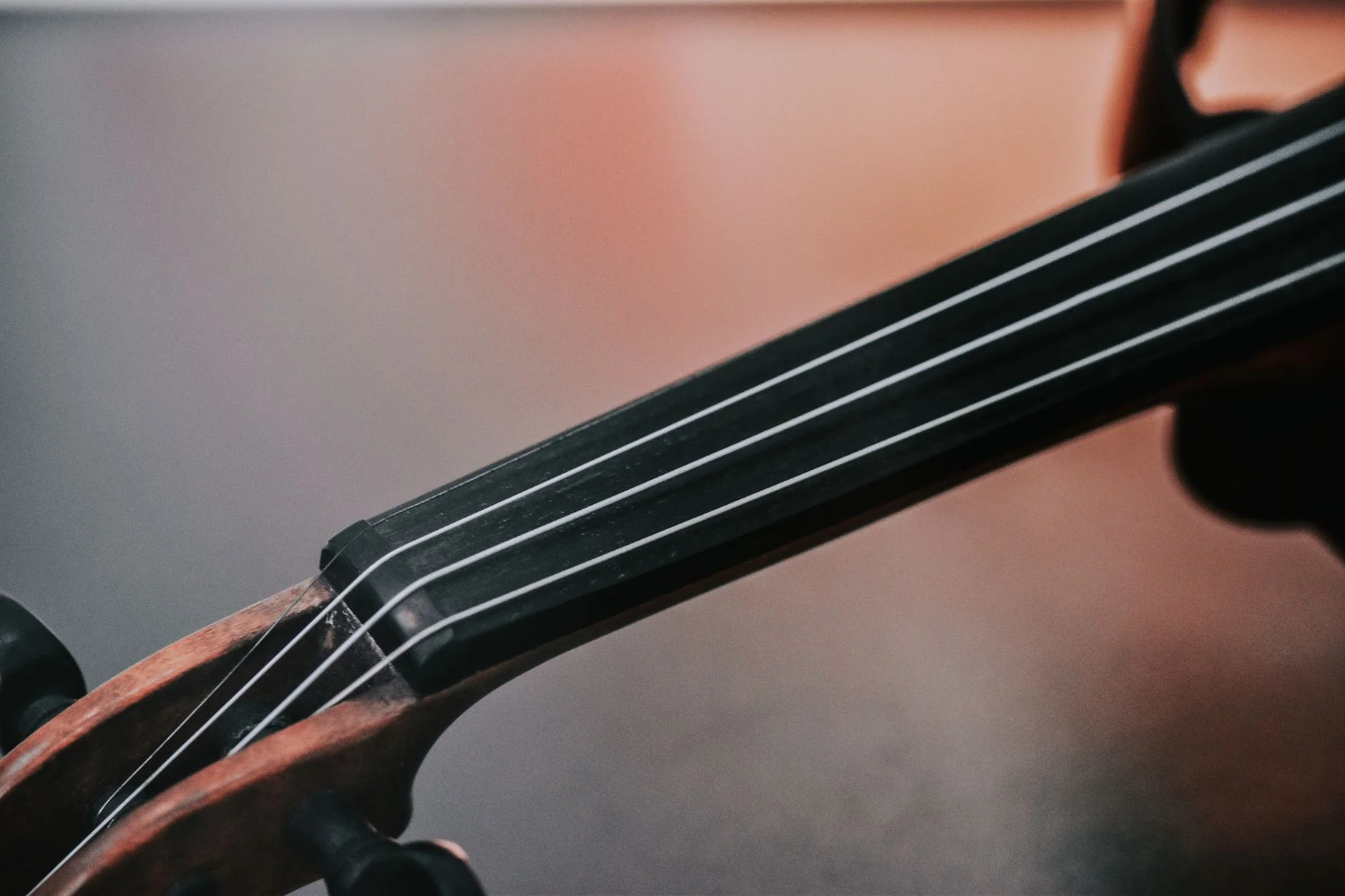
The set-up
Finding the voice
Soundpost, bridge, strings: the final set-up is done with the musician, instrument under the chin, until every string answers.
Mirecourt has been making violins since the 17th century. I simply took my place at the bench
Élie Vasseur
Available at the workshop
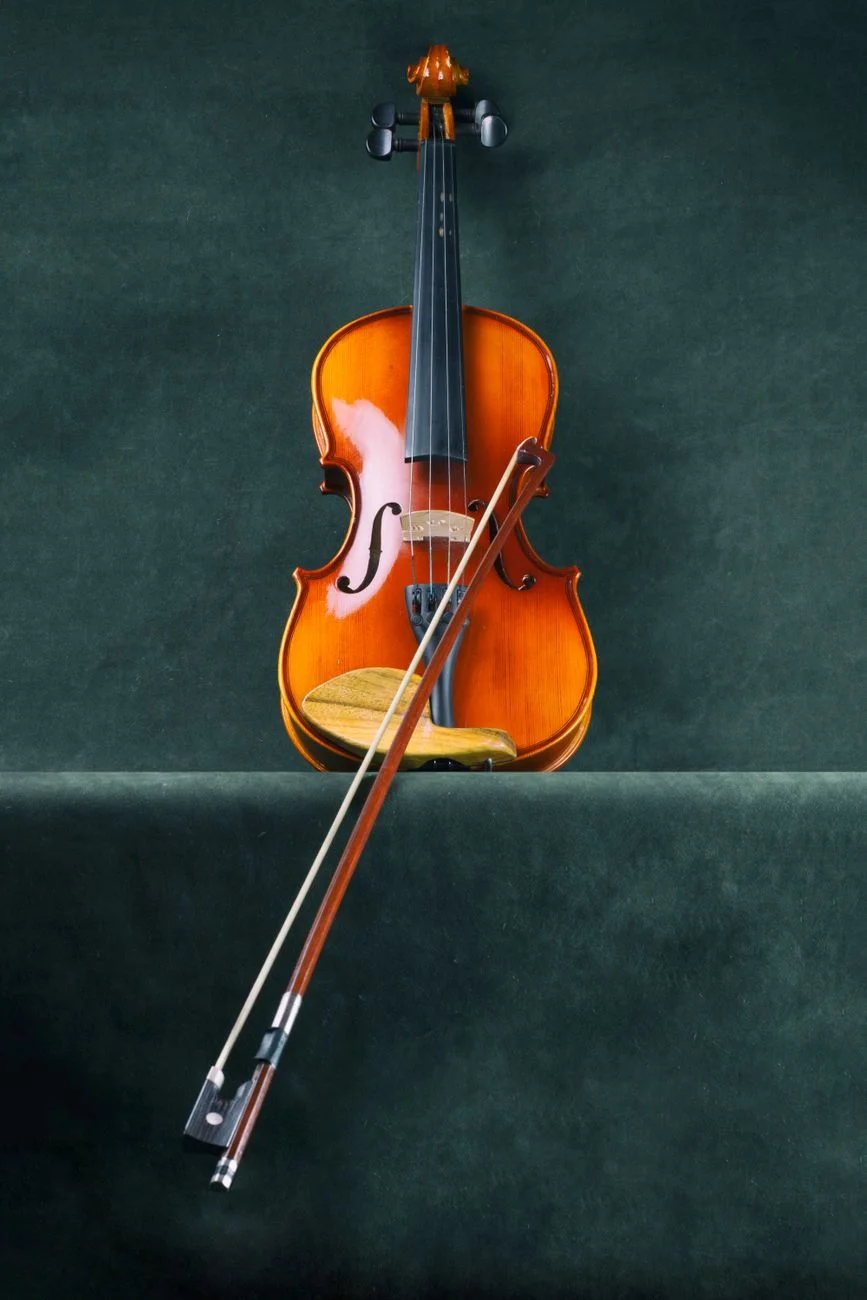
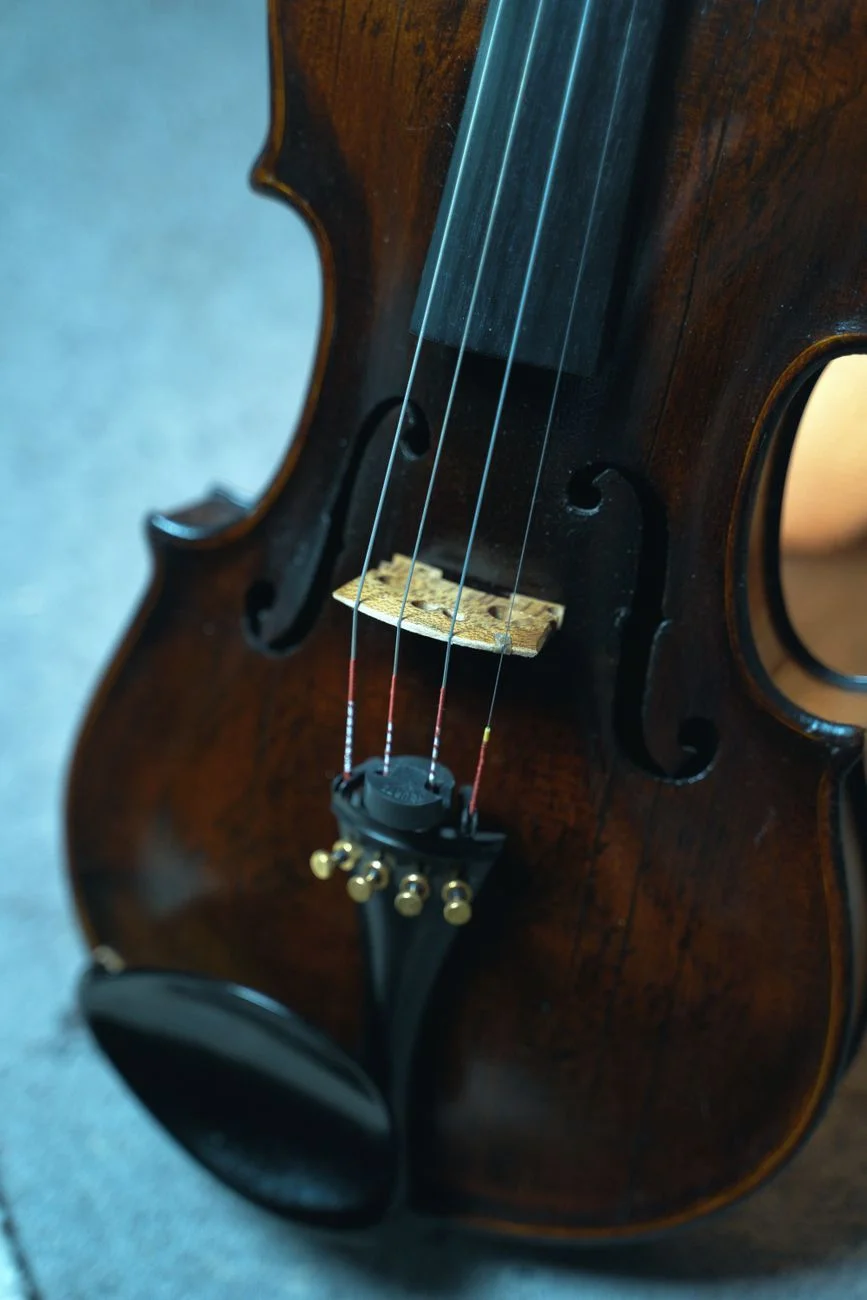
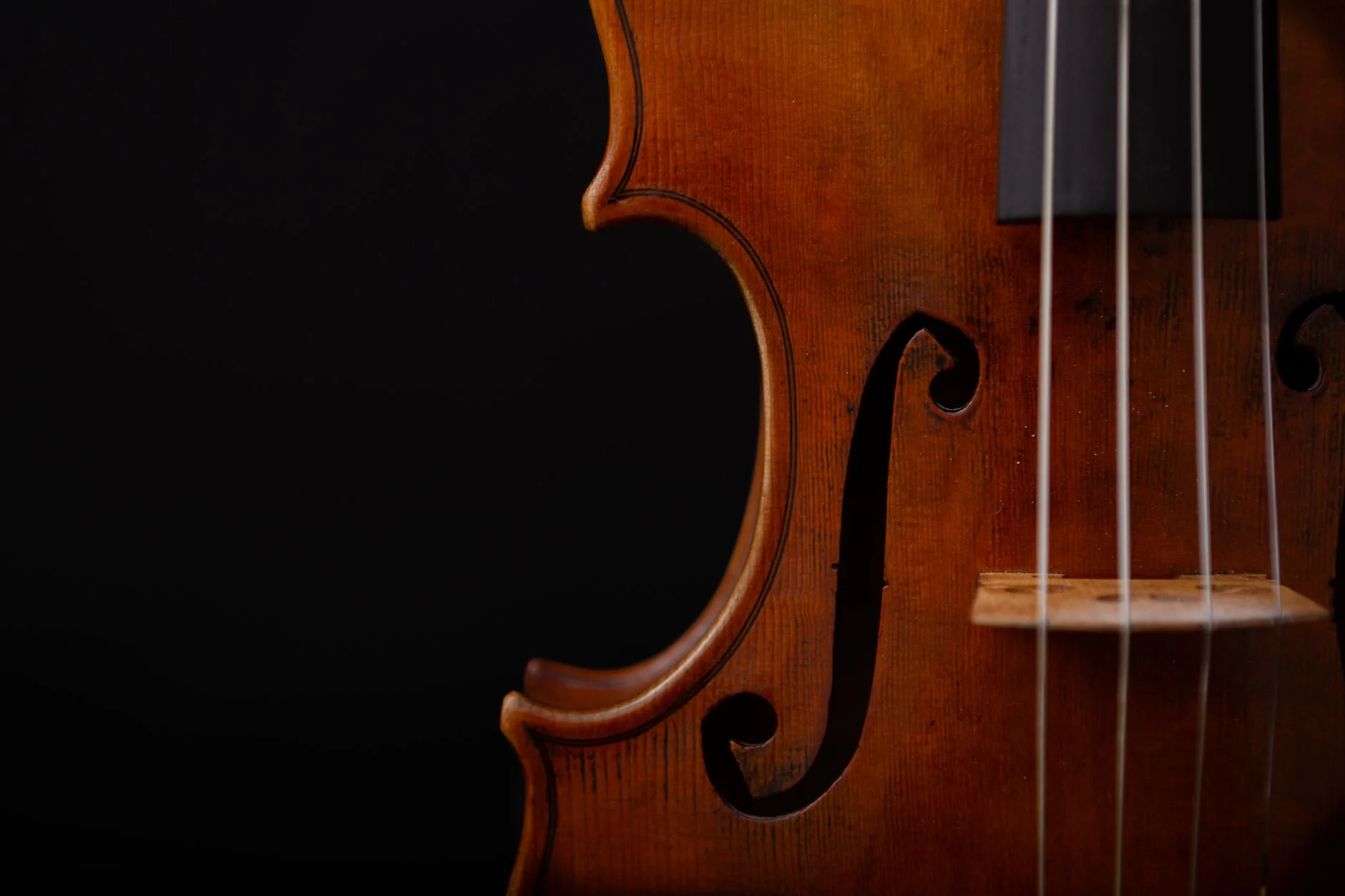
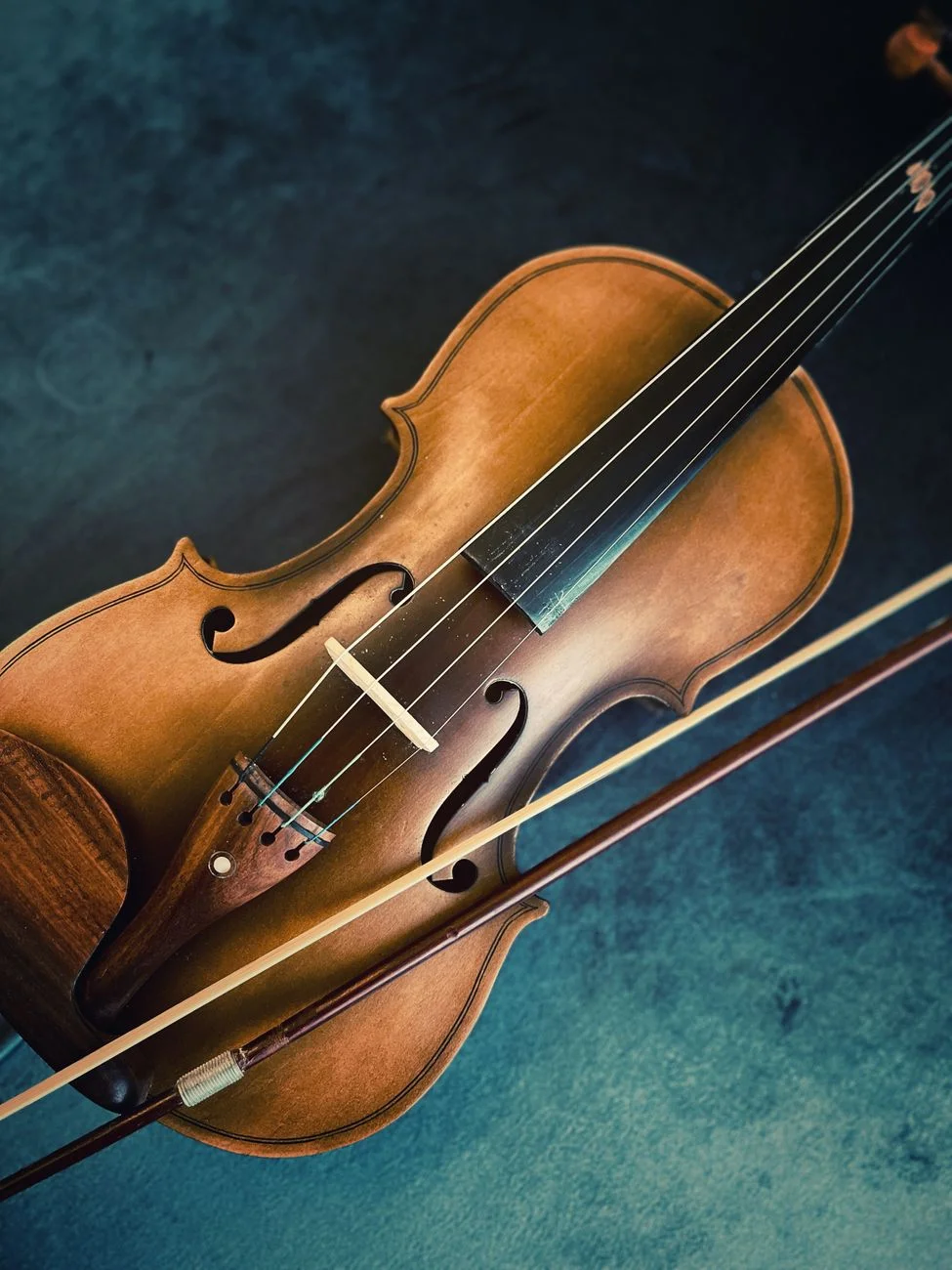
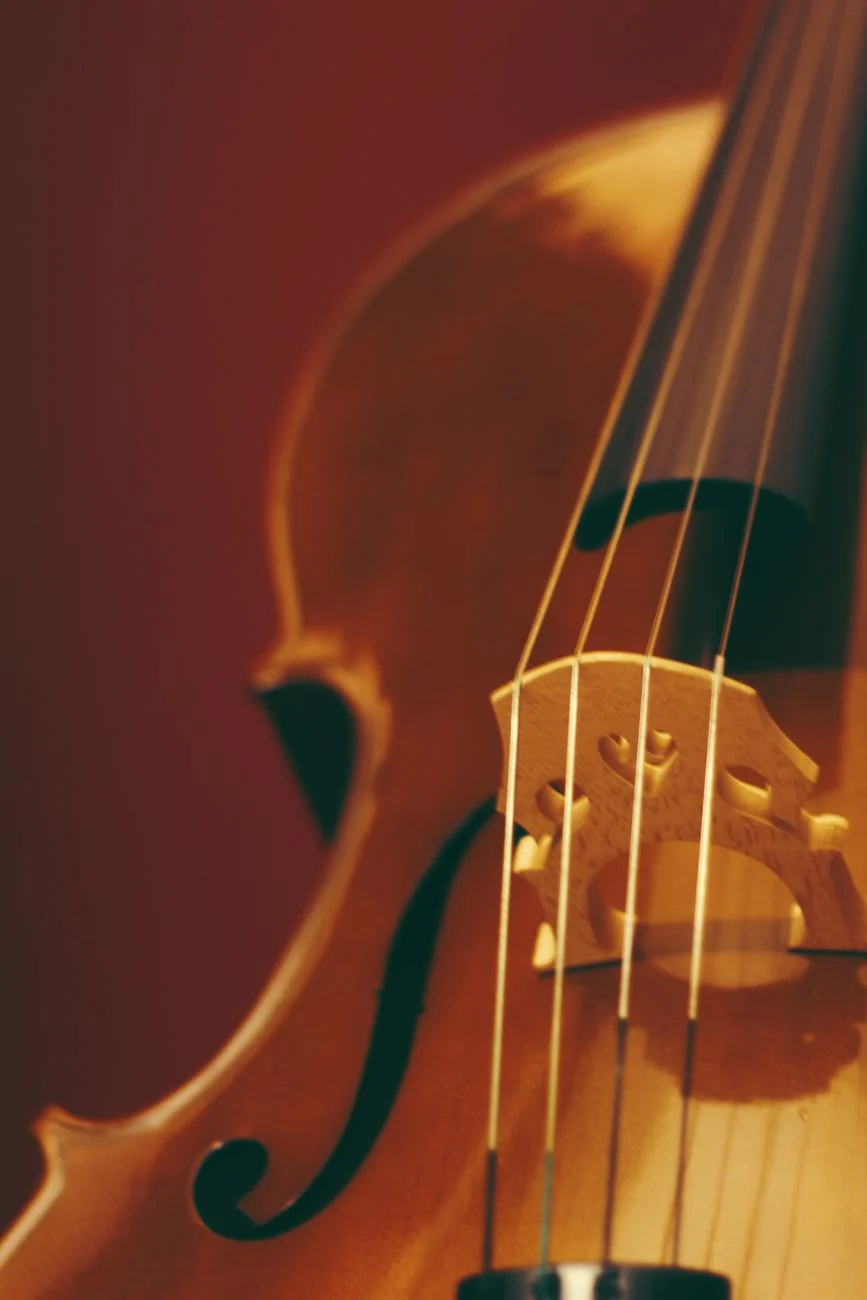
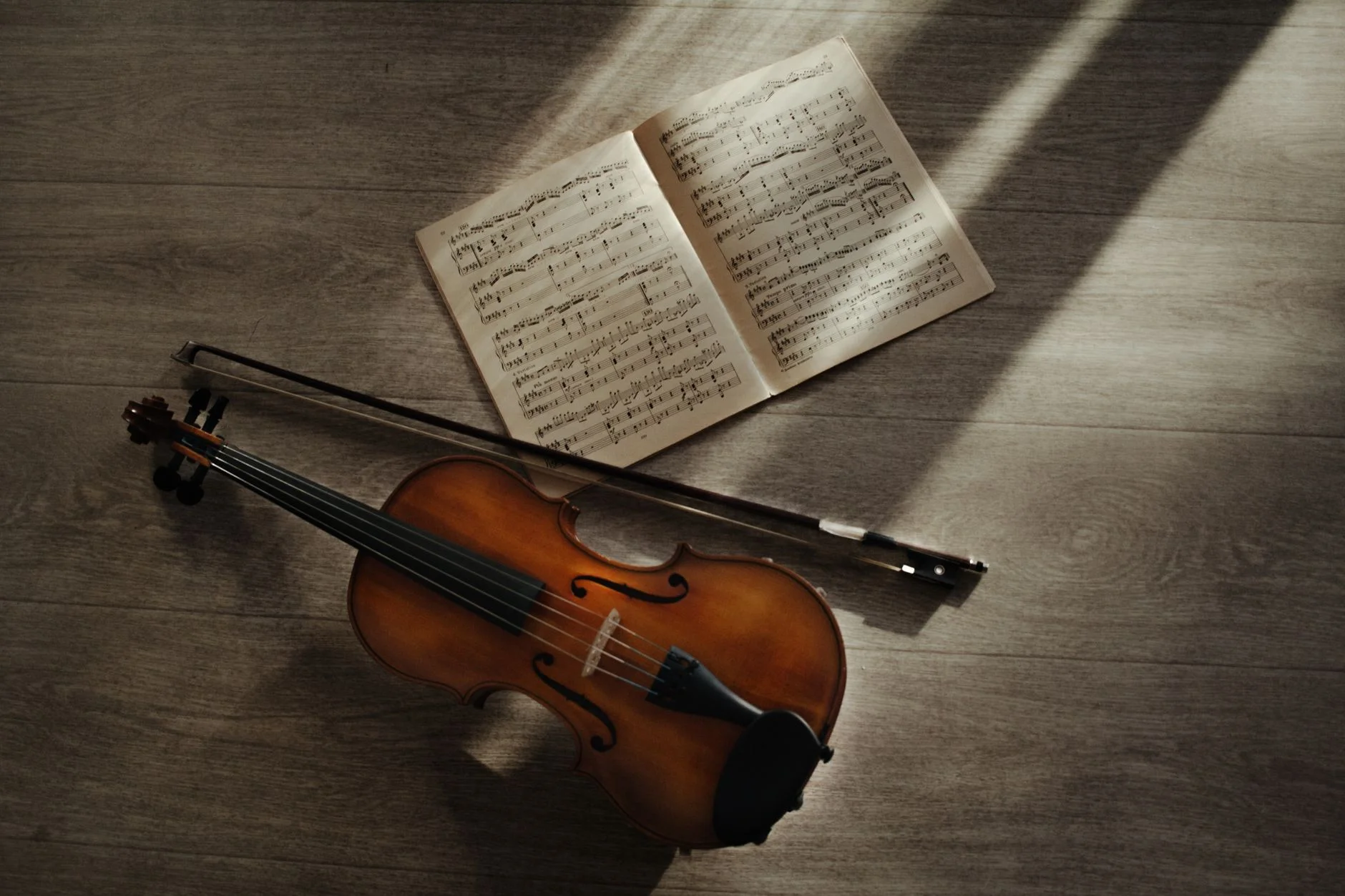
Instruments of the moment
Every instrument can be tried at the workshop, by appointment, for as long as it takes.
The workshop, beyond making
Make, repair, pass on
They play an instrument from the workshop
I tried a dozen violins in a year. Élie’s is the only one that answered me straight away, in the pianissimos as in the fortes.
My family cello was cracked right through. It came back more beautiful, and above all it finally sounds like it did in my grandfather’s memories.
We have rented here since our daughter’s 1/8. At every size change, the instrument is set up in front of her: she loves coming to the workshop.